

I’ve Sat Where You’re Sitting.
Financial Leadership for California Cannabis Operators — From Someone Who's Built and Run Dispensaries.
I started in cannabis in 2017 as a General Manager in Santa Ana, where I led a dispensary through one of the most complex transitions in the industry's history: from the collective model to the state and local licensing framework that California cannabis businesses operate under today. That experience — navigating regulatory change while keeping a business running — shaped how I think about financial operations.
From there, I went on to launch two additional licensed dispensaries — the first in Long Beach, the second in Port Hueneme, where I built out an entire retail operation from a strip mall shell, coordinating with the local police department (the local licensing authority) on everything from inventory cage wire mesh specifications to bullet-resistant reception window requirements to signage parameters. I then consulted on the opening of a vertically integrated cannabis operation in San Bernardino.
Today, I hold a controller-level role in hydrogen and clean energy manufacturing — bringing the same financial rigor I developed in cannabis to one of the most operationally complex industries in the country.
I started Ledger & Code to bring that combination of operational and financial experience directly to cannabis operators in California who need more than a bookkeeper — and can't yet justify a full-time hire.
Most financial professionals understand cannabis from the outside. I understand it because I helped build it — from the inside.
Your Fractional Controller Has Been in the Room.
Running a Cannabis Operation Is Hard Enough Without Fighting Your Own Finances.
If you're operating a licensed cannabis business in California, you already know the financial pressure is unlike any other industry. Here's what I hear from operators every week:
You're overpaying in taxes because your 280E deductions aren't properly structured
Month-end close takes weeks — and you still don't fully trust the numbers
You have a bookkeeper, but no one who owns your financial operations
Cash flow is tight, and you don't have a forward-looking forecast to manage it
Your COGs allocation is manual, inconsistent, or just wrong
If a DCC auditor or an investor asked to see your books tomorrow, you'd be scrambling
You're running a $10M+ operation with financial infrastructure built for a $500K business
These aren't bookkeeping problems. They're financial leadership problems — and they have a solution.
Santa Ana, 2017 - The Transition
When California's cannabis licensing framework took effect, most operators had no roadmap. I was the General Manager responsible for leading our Santa Ana dispensary through the transition from the collective model to the new state and local licensing structure — handling compliance, operations, and financial reporting simultaneously. I know what it costs when that transition goes wrong, and I know what it takes to get it right.


Long Beach — First Full Licensed Launch
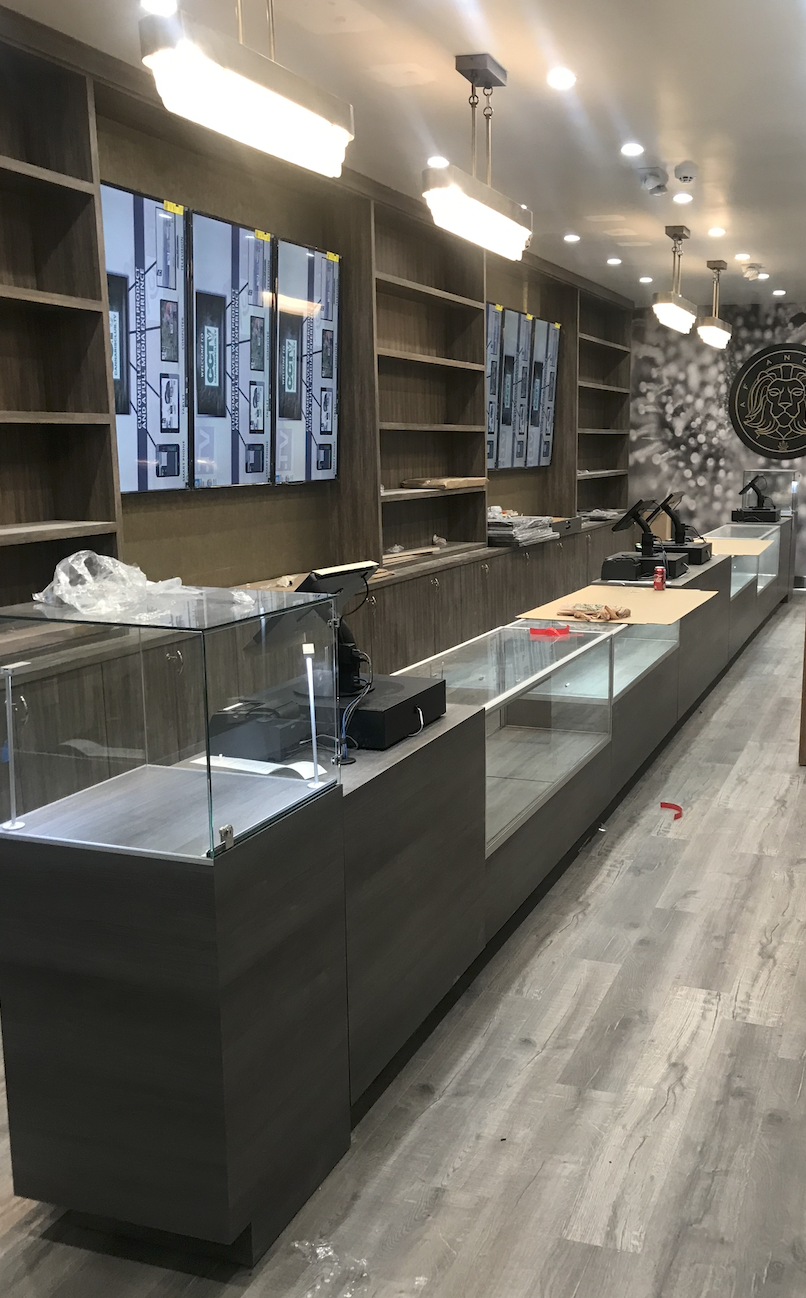
The Long Beach location was my first ground-up licensed dispensary launch — building the operational and financial infrastructure from the start under the full weight of California's regulatory requirements. Licensing, staffing, inventory systems, compliance reporting, and financial controls all had to work on day one.
Port Hueneme — Built From the Ground Up
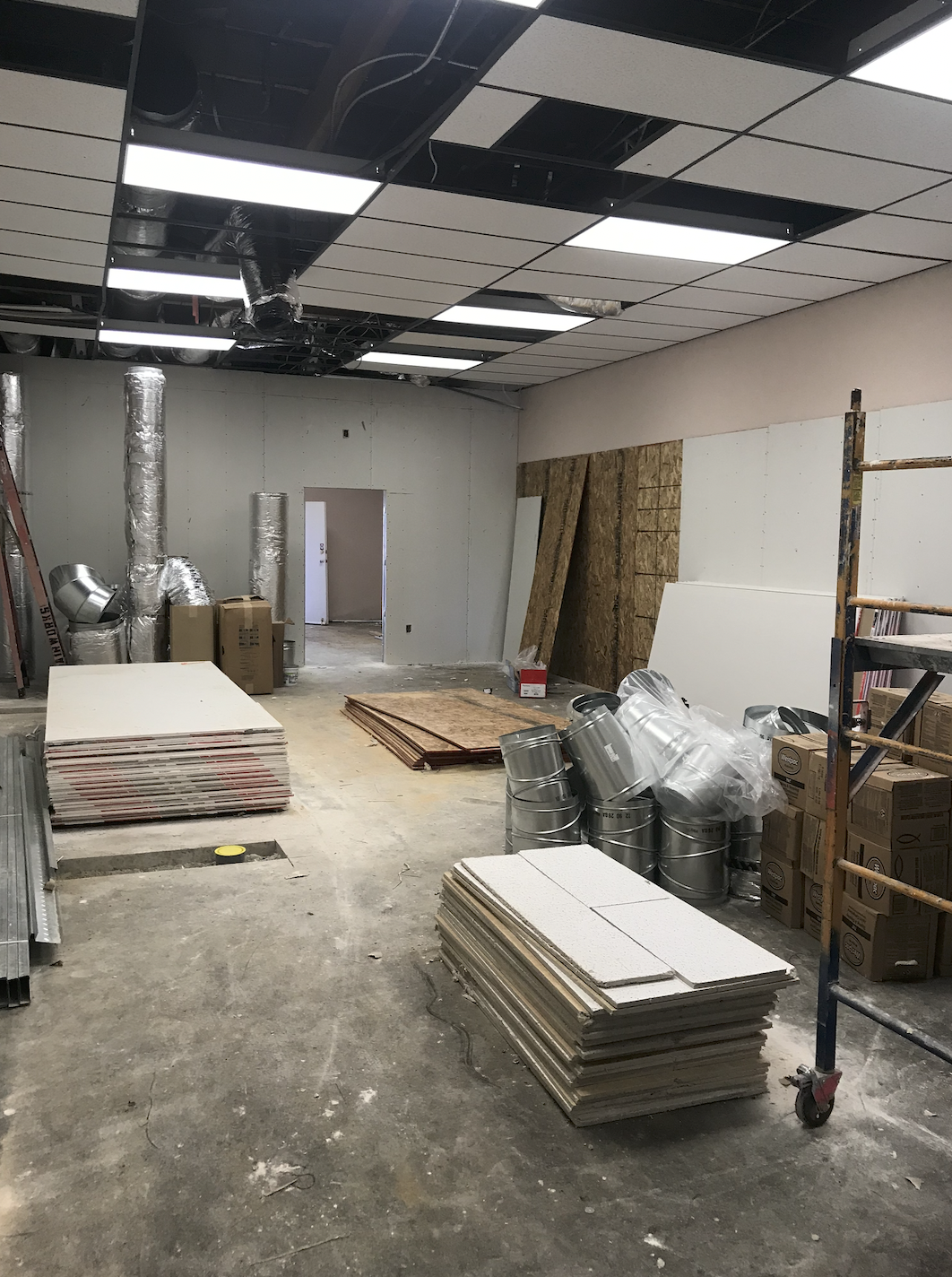
Port Hueneme is the project I'm most proud of. I started with an empty retail shell in a strip mall and built a fully operational, licensed dispensary from the studs out. That meant coordinating directly with the Port Hueneme Police Department — the local licensing authority — on every physical requirement:
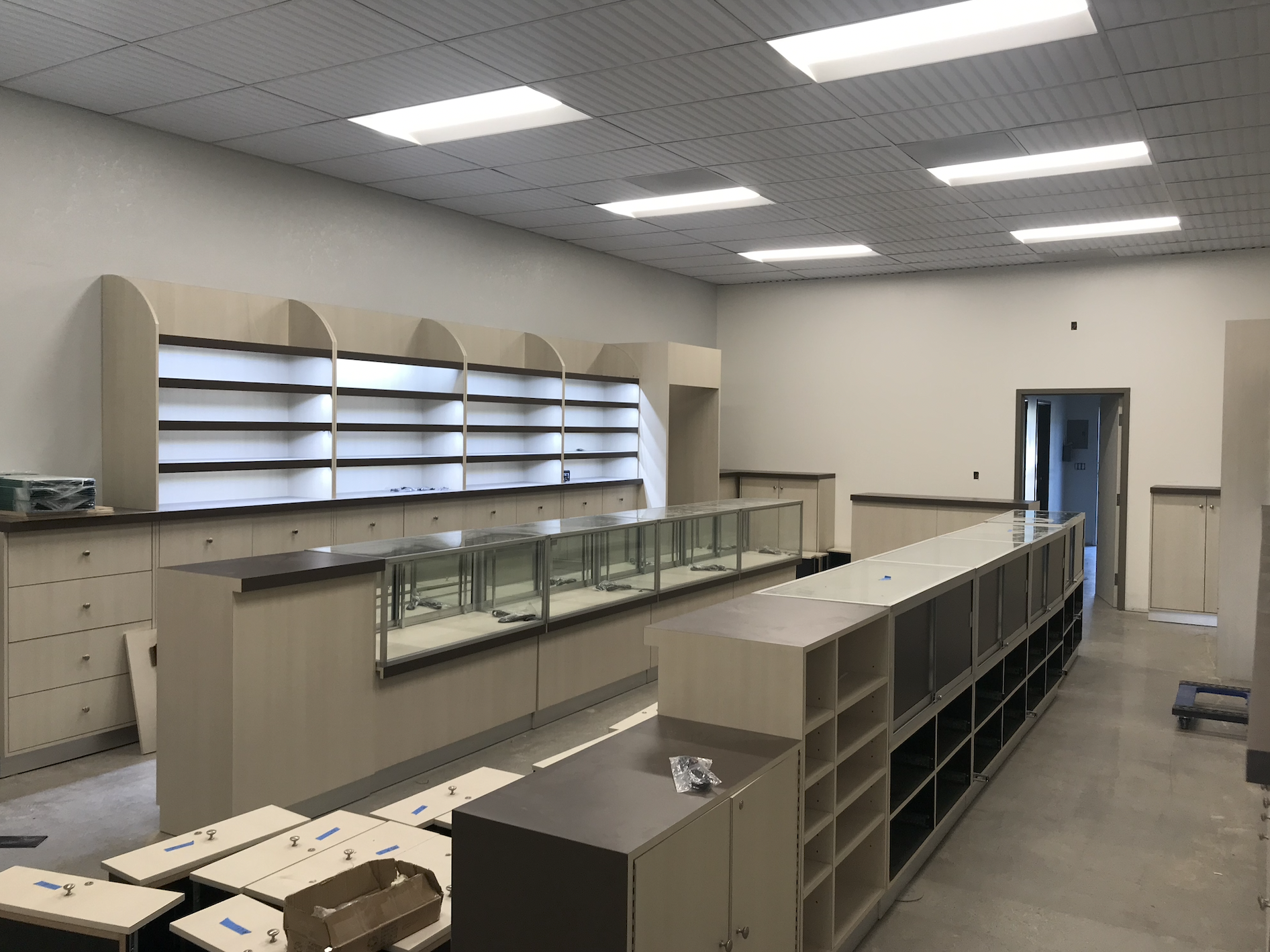
From permit coordination to ribbon cutting to sustained operations — I was there for all of it. When a client tells me they're mid-build-out and overwhelmed, I don't just sympathize. I've been in that room.
Wire mesh specifications for the inventory cage
Bullet-resistant glass requirements for the reception window
Signage parameters and placement approvals
Security infrastructure that met both state and local standards

San Bernardino — Vertically Integrated Consulting
I consulted on the opening of a vertically integrated cannabis operation in San Bernardino — working across retail, cultivation, and distribution under a single operational structure. Vertically integrated operations come with their own financial complexity: intercompany allocations, multi-license COGs tracking, and reporting that has to hold up across every tier of the business.
Why California Cannabis Operators Choose Ledger & Code.
-
I've held a GM role in cannabis. I've done a build-out. I've navigated the collective-to-license transition. I've consulted on a vertically integrated operation. When you describe your operational challenges, I'm not just processing information — I've lived most of it.
-
My day-to-day role is as a controller in manufacturing — one of the most financially complex operating environments there is. That expertise comes directly to your business at a fraction of what a full-time hire would cost.
-
State licensing, local licensing, DCC compliance, BCC legacy transition, METRC — I understand the California-specific regulatory landscape your business operates in.
-
Ledger & Code is expanding its service offerings to include technology and software development services. As your business grows and your needs evolve, we're building the team to meet you there.
Your Questions, Answered
-
IRC Section 280E has been one of the defining financial realities of operating a cannabis business under federal law. Because cannabis has been classified as a Schedule I controlled substance, 280E prohibits cannabis operators from deducting most ordinary business expenses — rent, payroll, marketing, and more. The practical result is that cannabis businesses pay taxes on gross profit rather than net income, producing effective tax rates that can exceed 70% and putting enormous pressure on cash flow.
The short answer on whether it's going away: probably yes, but not yet, and the timing matters enormously.
In December 2025, President Trump signed an Executive Order directing the Department of Justice to expedite rescheduling cannabis from Schedule I to Schedule III. Once that reclassification is finalized — currently expected sometime in 2026 — 280E would cease to apply, and operators would be able to deduct standard business expenses like any other industry.
But there are several things operators need to understand right now:
280E is still the law. Cannabis remained Schedule I for all of 2025, meaning 280E applied in full for that tax year. Relief is not expected to be retroactive, and filing as though 280E no longer applies before rescheduling is finalized is a fight with the IRS most operators don't want to pick.
The timing of when relief kicks in for your specific business is an open question. Depending on how the IRS interprets the effective date relative to tax year structure, some calendar-year businesses may not see the benefit until 2027. Entity structure matters here.
Rescheduling solves 280E — it doesn't solve everything. Banking friction, interstate commerce restrictions, and state tax treatment remain unresolved regardless of what happens federally.
What this means practically is that your books need to be properly structured under 280E as it stands today, with COGs allocated correctly to maximize every deduction currently available to you. And as rescheduling moves toward finalization, you'll want a financial partner who can help you model the impact, evaluate whether your entity structure positions you to capture relief as early as possible, and adjust your tax strategy in real time.
That transition — from operating under 280E to operating without it — is going to require active financial planning. It's not something that just happens automatically when the rule is finalized.
-
A bookkeeper records transactions. A controller owns the financial close, ensures accuracy and internal controls, builds reporting packages, manages cash flow, and serves as a financial decision-maker for your business. A fractional controller gives you that leadership at a part-time cost — which is exactly what most cannabis operators in the $3M–$20M revenue range actually need.
-
Yes. I have direct experience with retail operations and have worked with or consulted on cultivation, manufacturing, distribution, and vertically integrated operations. The specific financial complexity varies by license type, and we tailor the engagement accordingly.
-
Yes. METRC reconciliation — ensuring your financial records align with your track-and-trace data — is a standard component of our Financial Operations and Fractional Controller tiers. Discrepancies between your financials and METRC create compliance exposure, and cleaning that up is often one of the first things we address in a new engagement.
-
That's usually where we start. Before we can build the financial infrastructure your business needs, we need accurate historical records to work from. Cleanup is part of the onboarding process — we'll assess what you have, build a remediation plan, and get you to a clean baseline before we move into monthly operations.
-
It starts with a Cannabis Financial Assessment — a 30-minute call where we review your current financial state, identify the highest-priority issues, and determine which service tier is the right fit. From there, we do a deeper discovery, build out a cleanup plan if needed, and transition into your monthly engagement. Most clients are fully onboarded within 30 days.
Ready to Build Financial Infrastructure That Can Handle What You're Building?
Book a free Cannabis Financial Assessment. We'll review where you are, identify what's costing you, and build a plan to get your financial operations running the way your business deserves.
No cost. No obligation. Just a clear picture of where you stand.